
AI Breaks Audience Trust—Why The Most Credible Content Creators Are Posting Less on Social Media
Summary: The myth of quantity over quality is ruining reputations. Since facing backlash for using AI to create content for his popular YouTube channel, Hank Green has vowed to publish fewer videos. But the most trusted creators are already posting less on social media without losing visibility, and you can too. Learn how below, along with how to develop a personal AI policy as a content creator and business owner.

AI Breaks Trusts With Audiences
Recent news about Hank Green makes me feel bad for influencers.
It all started three weeks ago, when fans turned on Hank, popular YouTuber and brother of mega popular author John Green, because of his use of AI to create content.
Hank later apologized, telling fans he felt pressured by deadlines.
The pressure to post, hook, and be relevant is a 24/7 concern when you build a brand on volume.
“My brain wouldn't let me sleep,” business influencer Justin Welsh describes. “ I was too wired, thinking about this content existing out in the world without me being there to make sure it went well.”
“You have to sort of sell your soul in this kind of gross way by making content that you know is a little bit icky,” New York Magazine features writer Rebecca Jennings said about the hardships of competing to be seen online.
I don’t feel bad for influencers because they say and do things that go against their better judgement to get paid.
I feel bad because they think they have to.
Quantity Over Quality Backfires on Content Creators
Before my sales increased 176% in the first six months after quitting social media, I thought so too.
I hand-to-a-higher-power believed you had to show up a certain way, or like a certain type of person.
Perhaps you have too.
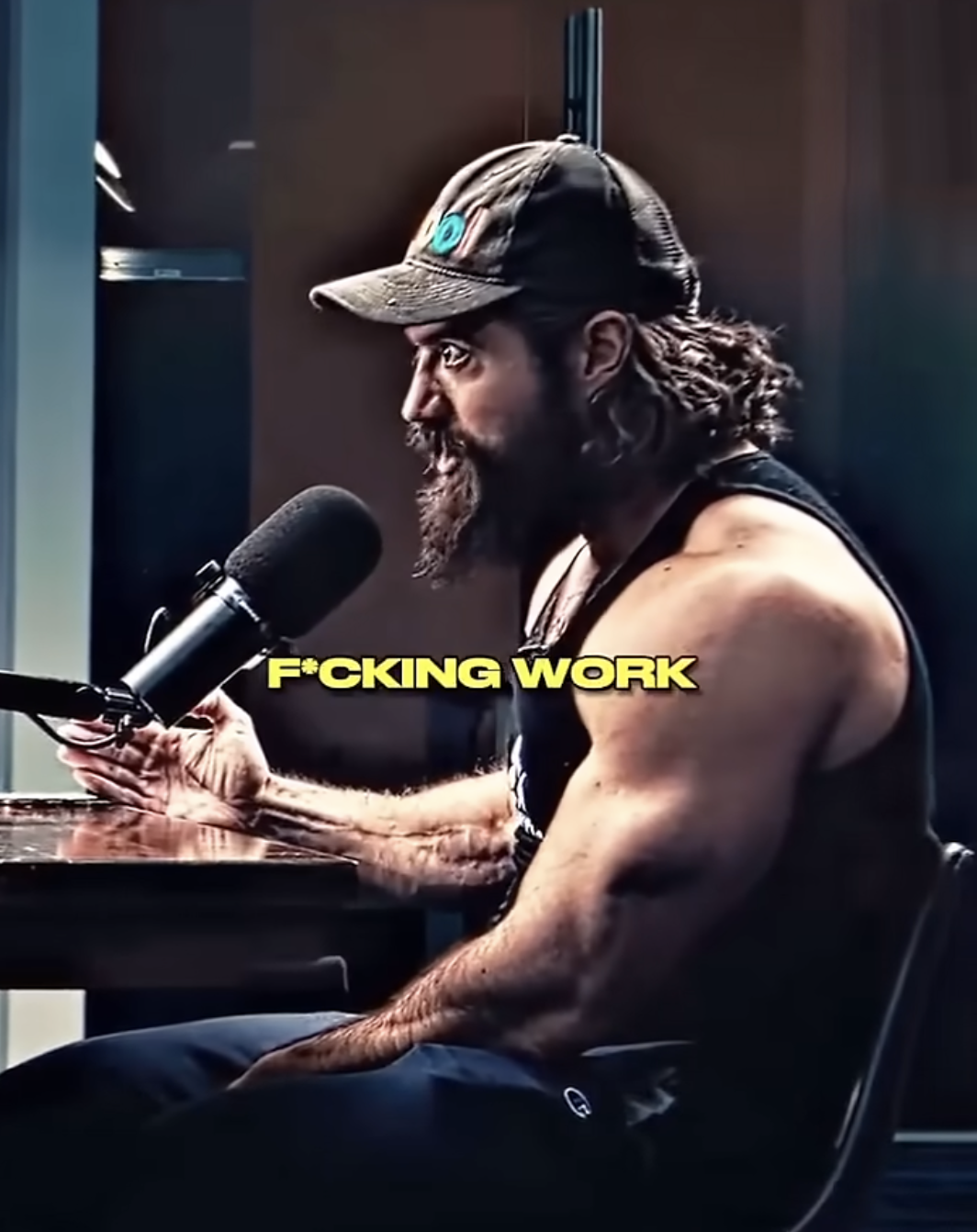
Why wouldn’t we, with messages like:
The result isn’t people overcoming perfectionism via quantity over quality.
It's a relentless pressure to post, even with less-than-our-best, in the name of visibility.
Just ask Hank Green.
Instead prioritizing output makes:
People turn to AI to churn out content as fast as possible.
Or unsavory attention tricks to capture eyeballs.
Or lose sleep.
All of it takes time away from what people want most: Genuineness.
The Pressure To Trade Trust For Visibility
Would any of Hank's fans unfollowed him for not posting for a week or two so he didn't feel the need to use AI? After all, the reason they hit follow in the first place was to hear from him— in his quirky, nerdy, enthusiastic way of sharing little-known science facts through storytelling — not because he posts X amount of times a month.
It's a nuance brand sponsors miss too.
They seem to have forgotten they’re not paying creators for more content.
They're paying for the trust a creator built with their community—the halo of credibility they get when they’re recommended by a trusted-source.
Post after post, article after article questioning Hank’s competence doesn't do either him or his sponsors much good.
Trusted Creators Don’t Have To Post More
This year, I departed from the more is more philosophy.
I choose a human pace reflective of my values. That meant no social media at all.
And only sending 12 highly irregular newsletters since January.
Yet, my most recent program sold out in 44 hours anyway.
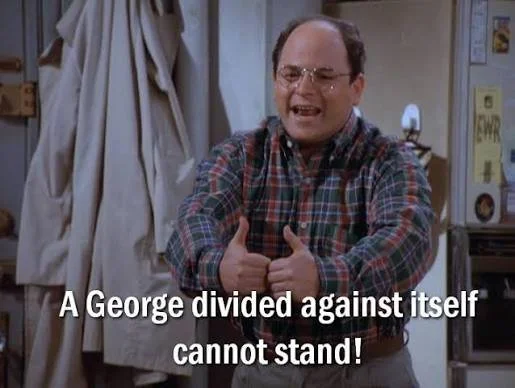
“A George divided against itself cannot stand!,” George Costanza laments on an episode of Seinfeld about the chasm between our true selves and who the world pressures us to be.
The expectation to be a certain way takes us further from who we genuinely are.
The opposite is true too.
Today, when I think of the creators I pay attention to the most, they're not running the ever-present influencer game that characterized the early 2020s internet.
I think of Sam Ogborn who posts as potently as she does irregularly.
And Kurzgesagt who tells me it will be three weeks (at least) before the next video.
I’ll wait.
More than wait, I’ll continuously check back to hear what they have to say.
Posting less doesn’t make people care less.
But being true to yourself does keep them coming back.
Since the backlash, Hank has vowed to post fewer videos, refocusing on what he’s creating instead of how much.
He is also advocating for all creators to have a personal AI policy—so they don’t break trust with their audience (Scroll to the bottom of this article to craft yours).
As for me, I look forward to Hank’s next video.
Whenever it comes.
Here’s to creating more meaningfully,

Cyndi Zaweski, Owner of StoryCraft
Cyndi Zaweski is journalist and the owner of StoryCraft. She writes primarily about how narrative influences behavior, exploring how storytelling, belief, and perspective drive action through the lenses of marketing, philosophy, history, technology, spirituality, and beyond. Her brand story clients have been featured on CBC, iHeartRadio, The Minimalist Podcast, and more.
How To Develop a Personal AI Policy as a Creator and Business Owner
I recently spoke to Harvard’s Nieman Storyboard about how to develop an newsletter editorial philosophy to stave off churn burn out.
Below you’ll find a guide for developing a personal AI policy as a creator and business owner so you can keep the hard-earned trust you have with your audience:
The ultimate value of independent media is the audience knowing that a creator's thoughts come directly from their own mind.
Obviously AI accelerates production speed, but using it as a shortcut also interferes with how you articulate thoughts and breaks the unspoken pact of authenticity between creators and audience.
AI policy involves setting hard boundaries on:
What You’ll Never Use AI For: For me, this includes idea generation, connecting the dots between multiple concepts, personal storytelling, drafting, and pretty much all aspects of writing and publishing*. For you, like me, it might include any part of the process that relies to your original thinking such as scriptwriting and idea synthesis. What tasks must remain 100% you?
When You’ll Use AI Assistance: *I rely on AI for line edits like catching typos and grammar errors, which I am prone to without a human editor even after 16 years in media and publishing. (Though maybe typos aren’t such a bad thing anymore?) Besides, using AI—even for copy edits—makes me paranoid that I’ll be accused on using AI to make content. Still, being intentional about how and when I use AI gives me some peace of mind. Your AI use policy might include back-end administrative tasks or initial source discovery (like finding relevant studies or articles before you go through your AI fact checking process).
How You’ll Talk About Your AI Use: Transparency safeguards trust. This includes clearly disclosing when and where AI played a role in the workflow and how you’ll share that information with your audience and customers.
This article originally appeared in the StoryCraft newsletter, two-minute reads to make your message more meaningful. If you have ever wondered why people read your free stuff but never buy, questioned if social media is worth your time, or wondered how to tell a story so people understand the value of what you offer, we get into it with tactical advice.

P.S. Do you love using your brain too?
Download the full-size version of this image here. Feel free to stick on all your brain-powered content. No credit required.
Let's create demand for human craftsmanship :)
